
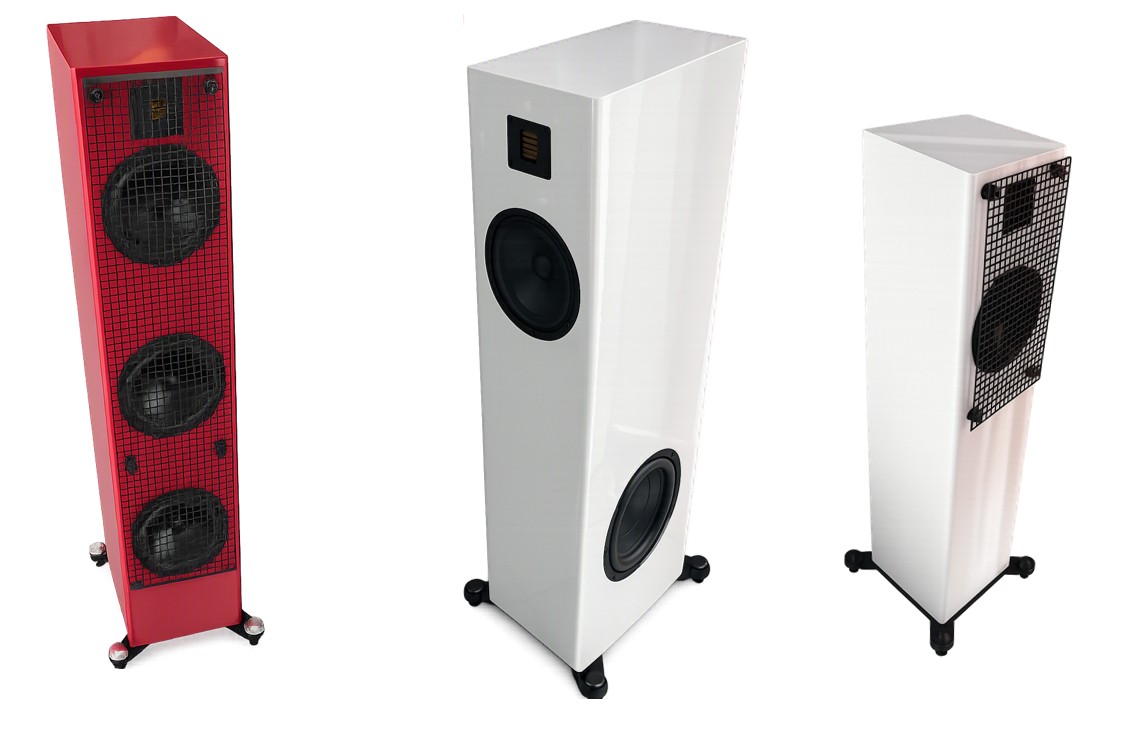
Why does these speaker series sounds so much better?
A discussion between friends
"Imagine, each speaker having its own conductor, the DSP. The DSP ensures that bass, mids and highs don' t just race off independently, but instead work togethet like a well-rehearsed band!"
The amplifier, really?
"No, no, it can' t just be the amplifier" , Ben said, letting himself drop onto the sofa.
Ben grinned: "I bet you aren't actually hearing the amplifiere right now!"
"What else?"
Picture from Ryan Ashby Unsplash

Software
"The software"
Ben raised an eyebrow: "You surely aren't trying to tell me that a loudspeaker these days is programmed rather than screwed together?"
Tom grinned: Of course, the bolides still have to be bolted together, and nothing works withou the loudspeaker chassis"
Picture from Ilya Pavlov on Unsplash
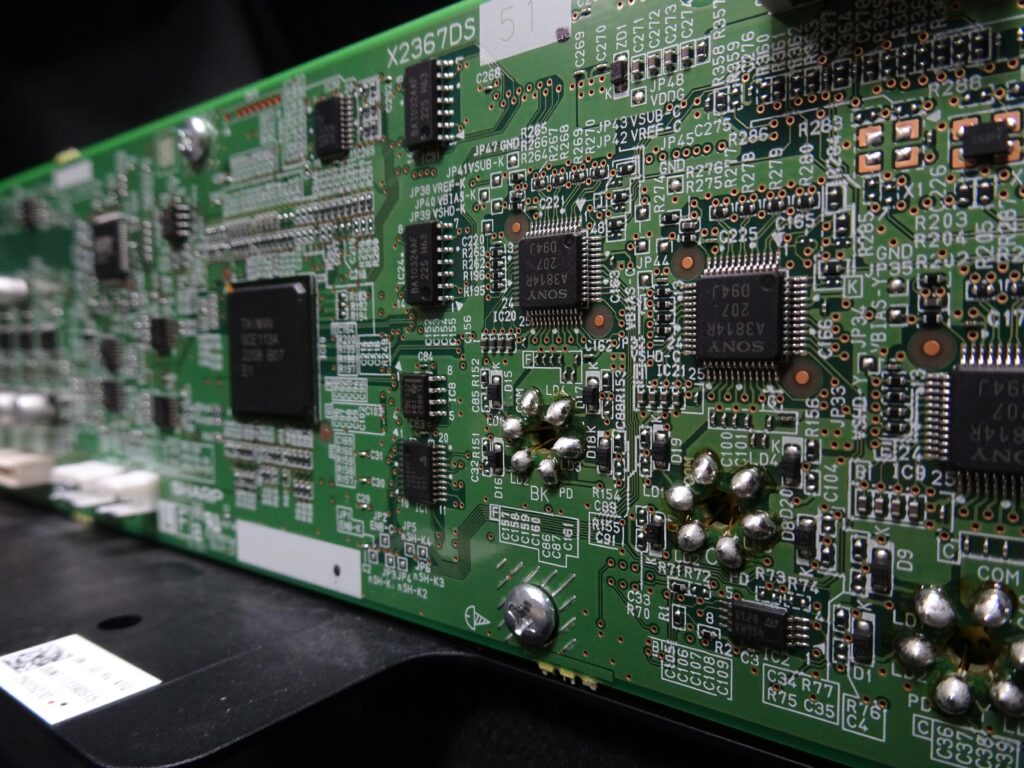
DSP or amplifier?
Tom typed on his laptop: "The speaker drivers still produce the music, but the DSP ensures that each driver plays exactly what it handles best-and at the right time."
"At the right time? Do you mean timing?"
Picture from Ludovico Ceroseis on Unsplash

accurate timing is the key
"Exactly, when the woofer plays just a fraction of a moment later than the tweeter, the music often sound blurred. The DSP can correct these differences to within a few thousandths of a second - it' s like getting a band perfectly in Sync."
Picture from Callum Mullin on Unsplash
The ears - the best measuring instrument
Ben listened again, the bass was dry, voices stood clearly between the speakers, nothing was booming.
"Okay", he said slowly. "Now I want to know exactly what' s really happening in this box!"
Picture from kyle smith on Unsplash

The idea
"Alright, the series consist of three models: Belcanto, Fortissimo and Fortissimo Grande." Tom explained.
"Sounds Italian?"
"Exactly, Ben, the names themselves are meant to sound musical, all three speakers work digitally and are fully active. Important, an seperate power amplifier is not required!"
Picture from Júnior Ferreira on Unsplash
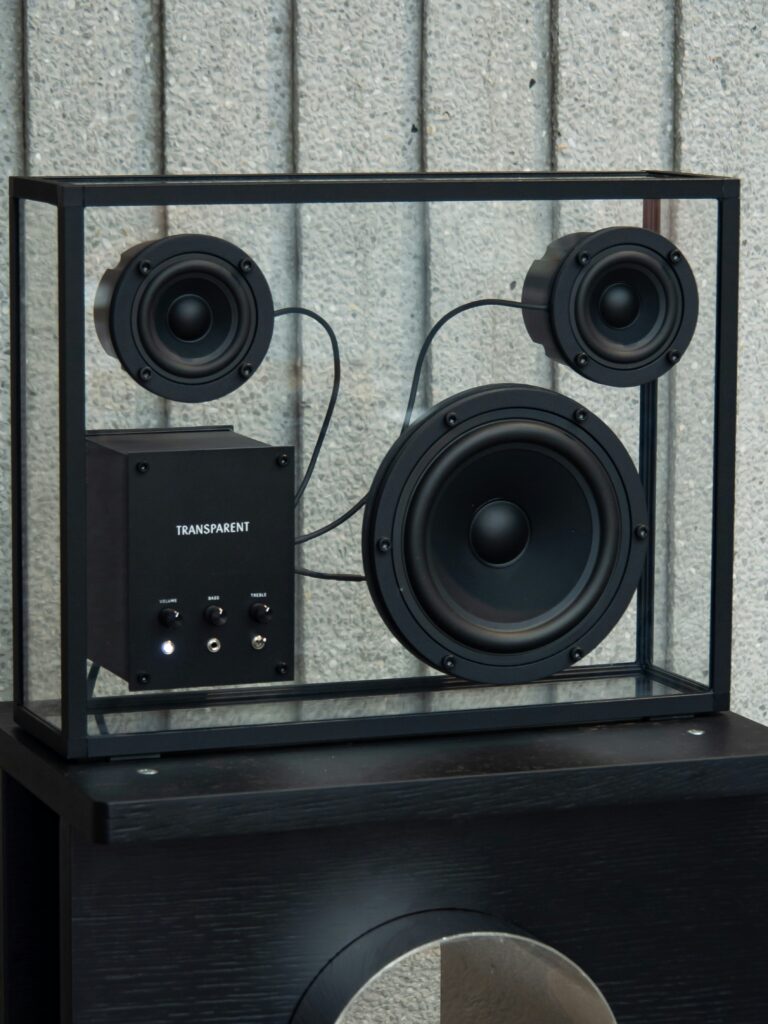
2 or 3 way speakers?
„The Belcanto is an uncompromising two-way system. The two larger models combine this concept with an integrated subwoofer unit for true deep bass performance without sacrificing the advantage of a precise two-way loudspeaker, and all this with a paper cone, ok?" explained Tom.
Picture from Sirius Harrison on Unsplash
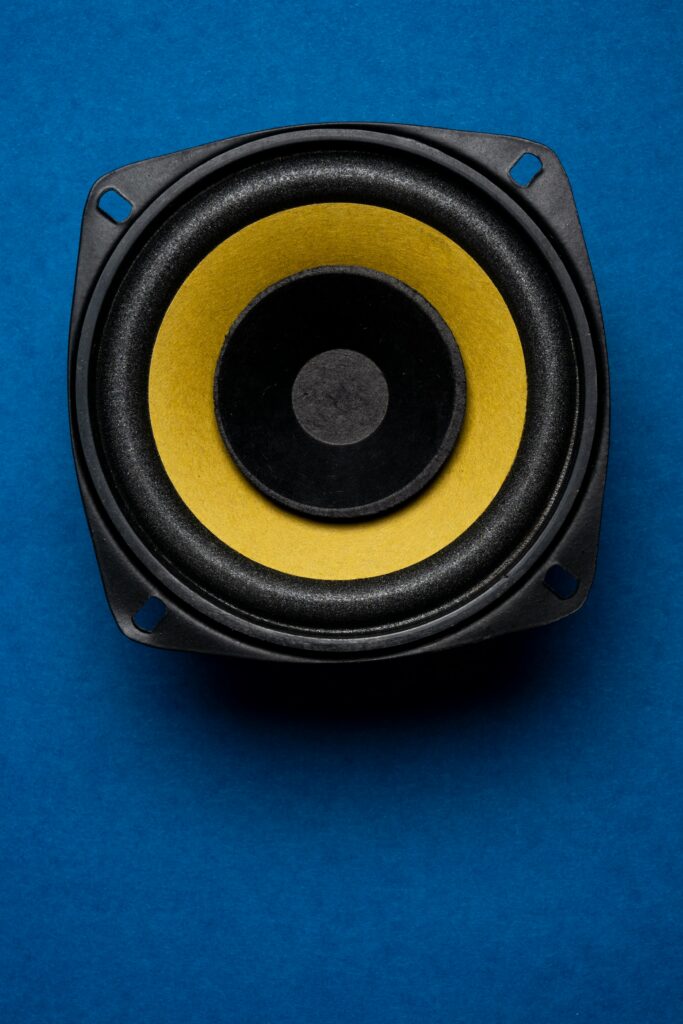
Why paper is sometimes more modern than ceramic
"Wait a moment",Ben laughed, "Paper-cone, this sounds more like 1975 than high end!"
"Exactly, that' s precisely the point. Many modern ceramic or light-weight metal diaphragm drivers look spectacular, but they often have a problem - strong resonances arise above their operating range, and these peaks can be significatly louder than the actual music signal!",Tom said with a grin.
Picture from Sujith R on Unsplash
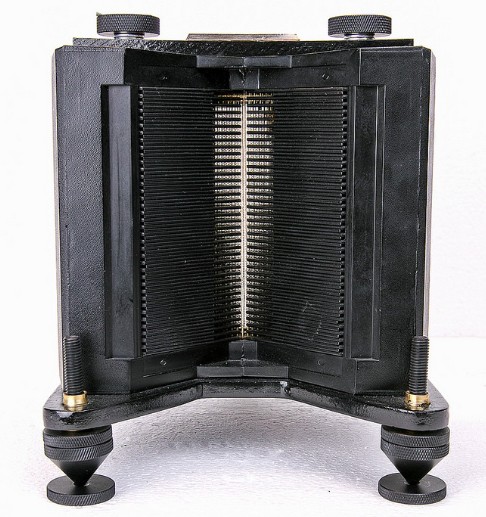
Paper-cone and AMT?
"So, I 'd rather have a chassis that handles well than one just looks modern."
"Exactly"
"And the tweeter?"
"An Air Motion Transformer (AMT) is very fast and offers very fine resolution, but many AMTs do not have a perfectly linear frequency response."
"What does it means?"
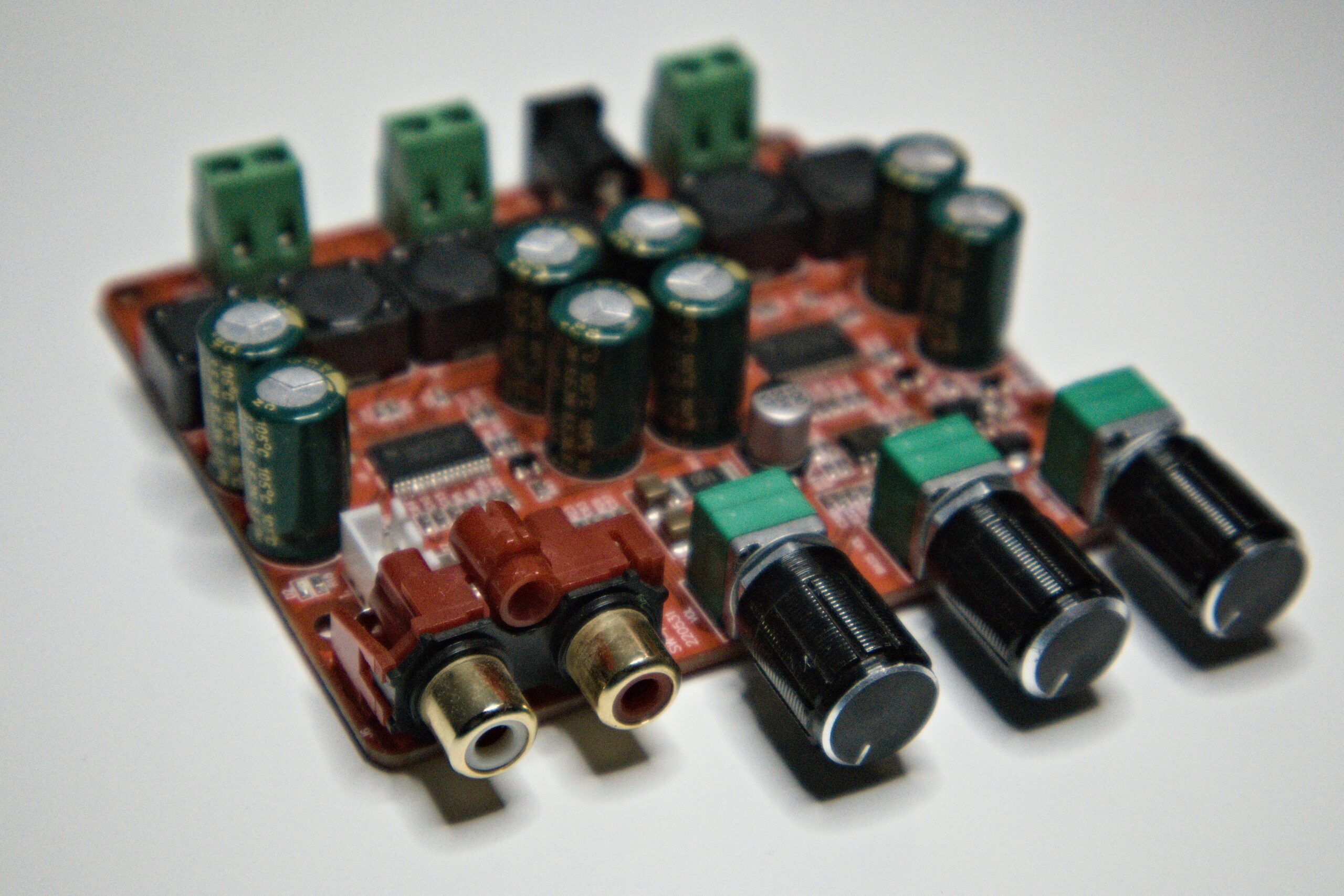
The real trick: No classic "zoo" of frequency crossovers
"Replacing expensive inductores, oil-filled capacitors and resistors, a DSP handles the task using IIR and FIR filters to correct frequency response, phase and time behaviour. As a result, the drivers not only perform more linearly but also operate in perfect time alignment!"
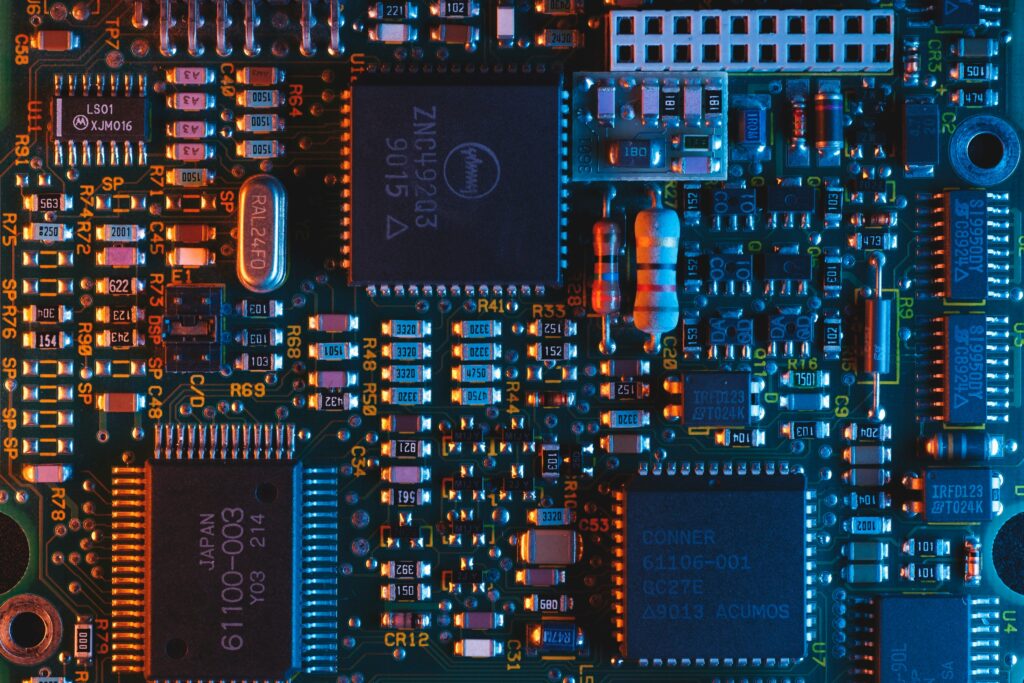
Digital crossover – period!
“Perfect time alignment, synchronized in time?”
Tom typed on his laptop: “Imagine the tweeter and mid-woofer playing the same frequency in the crossover region. With a conventional crossover, the phases shift, and parts of the signal cancel each other out. The DSP ensures that both drivers play in perfect unison.”
"Ahh, now I understand those stepped baffles on some high-end loudspeakers, too!" grinned Ben.
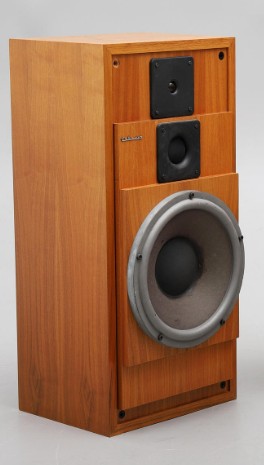
Why some loudspeakers have "stairs"
"Exactly, Ben. Due to the design and construction of the most modern speakers, the voice coils are not located on the same plane. The tweeter is usually closer to the listener than the mid-woofer, so it must physically be shifted backwards.
"Ok, Tom, but it’s only a few centimeters, after all?""
"For our hearing, a difference of just a few centimeters can result in a measurable time lag. A DSP allows the tweeter to be delayed by fractions of a millisecond—and suddenly, the sound components arrive at the ear simultaneously."