Digital active speakers
…told like a good story
A conversation among friends
"Hi, long time no see. What have you been up to?"
"I am currently developing new loudspeakers."
"Speakers? There are already more than enough of those."
"True. That’s asolutely true, That's why I didn’t want to build more loudspeakers — but rather a concept that makes music feel more natural and direct."
"Now I’m curious."

The idea
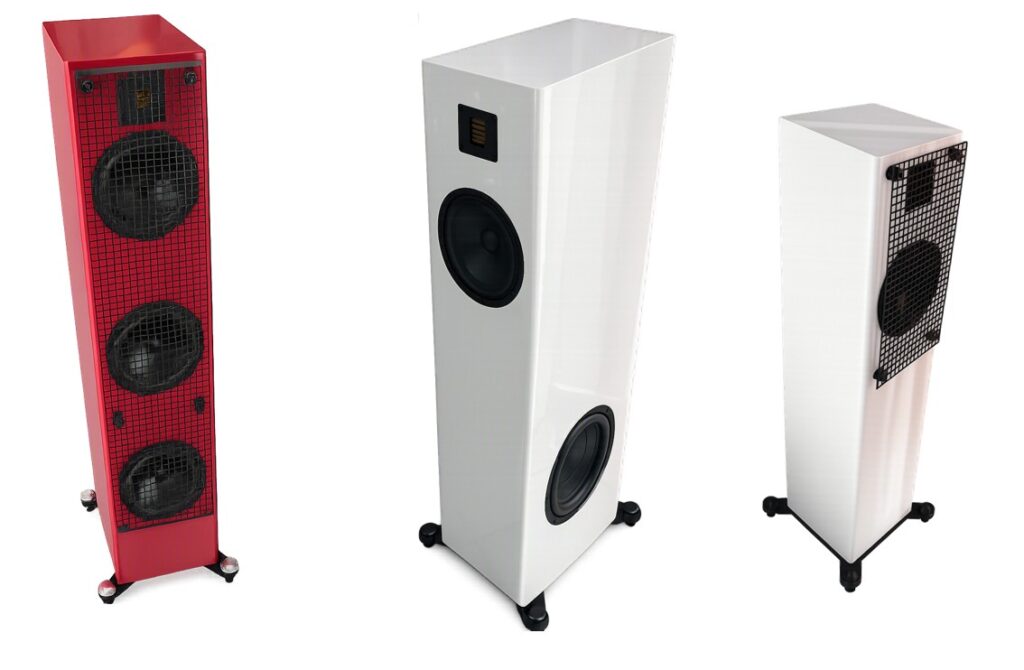
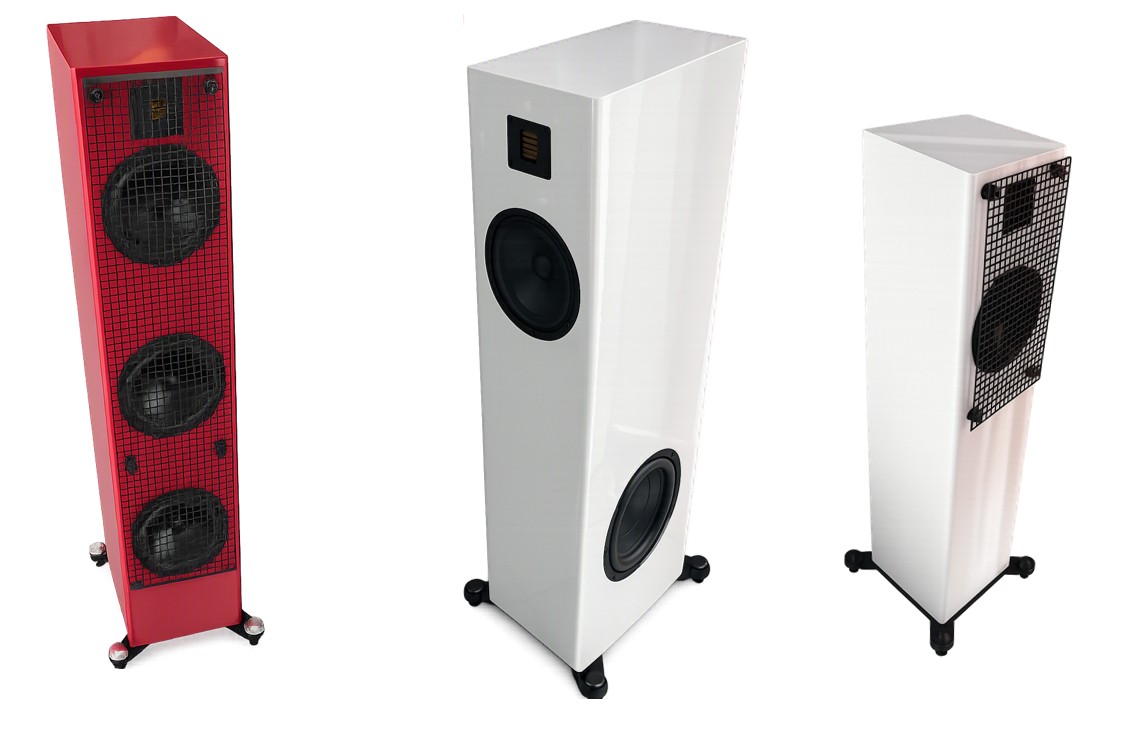
"The series consists of three models: Belcanto, Fortissimo, and Fortissimo Grande."
"Sounds Italian?"
“It is also designed to sound musical. All three models operate digitally and are fully active. The Belcanto is an uncompromising two-way system. The two larger models additionally combine this concept with an integrated subwoofer unit for genuine deep bass—without sacrificing the advantages of a precise two-way loudspeaker.”
“And what makes that better than a good off-the-shelf speaker?”
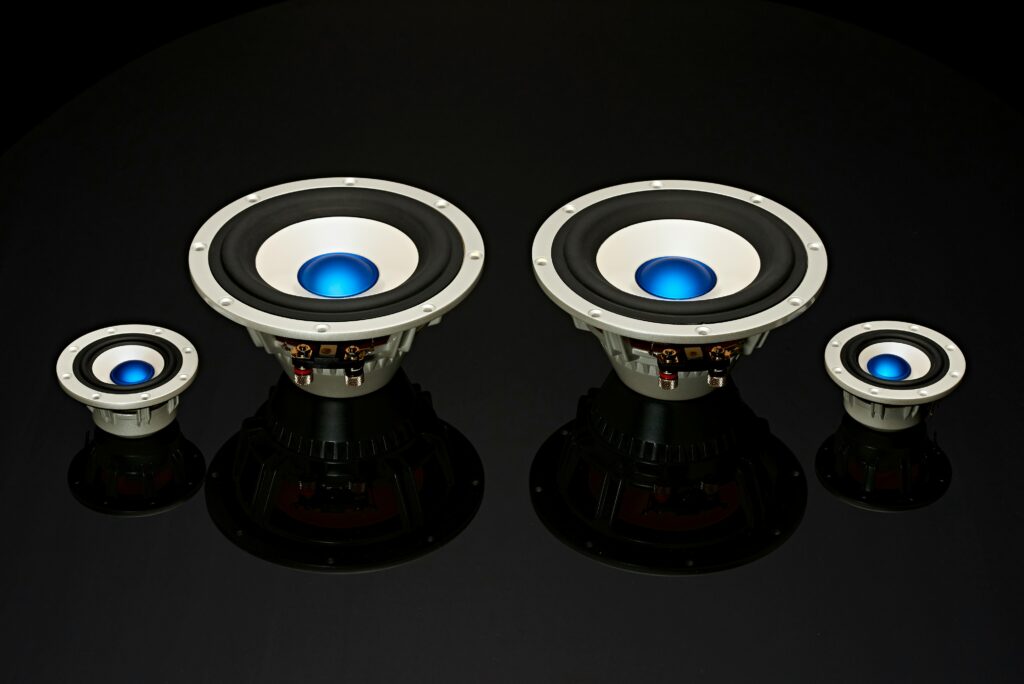
"Above all, the way the drivers work together. A fast, high-resolution tweeter is important—AMTs (Air Motion Transformers) are ideal—and for the midrange, a driver with a paper cone."
Picture from Robert Boyer on Unsplash
Why paper is sometimes more modern than ceramic
"Hold on a second," the friend laughed. "Paper cone? That sounds more like 1975 than high-end."
"Exactly, that' s precisely the point. Many modern ceramic or light-weight metal diaphragm drivers look spectacular, but they often have a problem - strong resonances arise above their operating range, and these peaks can be significatly louder than the actual music signal!",
So, I 'd rather have a chassis that handles well than one just looks modern."
"Exactly"
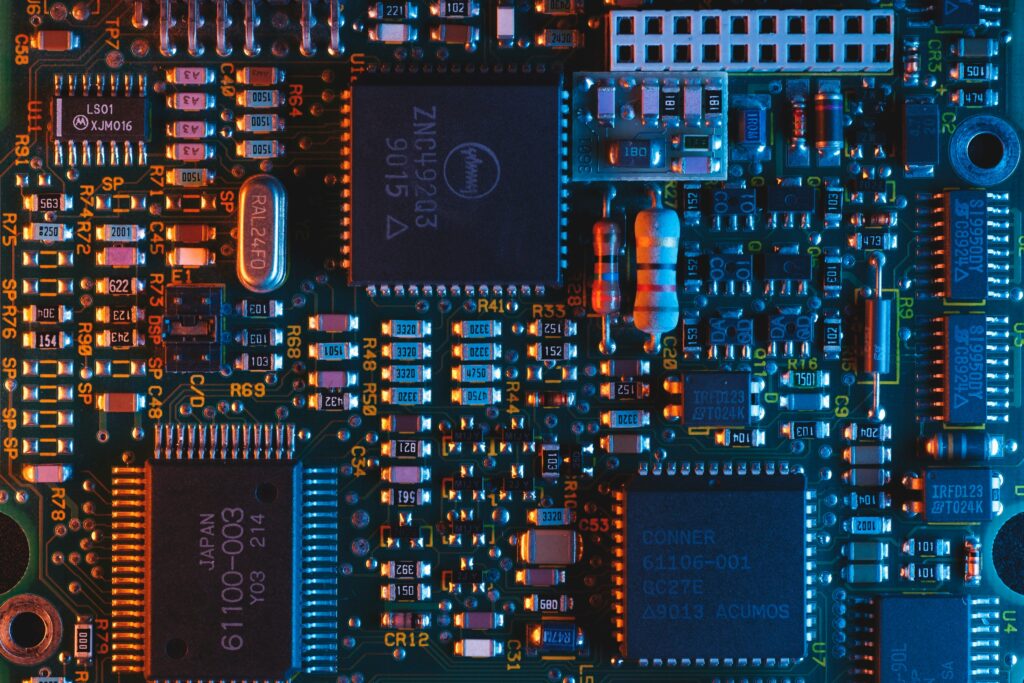
The real trick: No classic "zoo" of frequency crossovers
"And the tweeter?"
"As I mentioned, it’s an Air Motion Transformer. Very fast, highly detailed — but many AMT' s don’ t have a perfectly linear frequency response."
"What does it means?"
"Replacing expensive inductores, oil-filled capacitors and resistors, a DSP handles the task using IIR and FIR filters to correct frequency response, phase and time behaviour. As a result, the drivers not only perform more linearly but also operate in perfect time alignment!"
“Perfect time alignment, synchronized in time?”
“Imagine the tweeter and mid-woofer playing the same frequency in the crossover region. With a conventional crossover, the phases shift, and parts of the signal cancel each other out. The DSP ensures that both drivers play in perfect unison.”
Why some loudspeakers have "stairs"
"Ahh, now I understand those stepped baffles on some high-end loudspeakers, too!"
"Exactly. Due to the design, the voice coils do not lie on the same plane. The tweeter is usually closer to the listener than the mid-woofer."
"Ok, Tom, but it’s only a few centimeters, after all?""
"For our hearing, a difference of just a few centimeters can result in a measurable time lag. A DSP allows the tweeter to be delayed by fractions of a millisecond—and suddenly, the sound components arrive at the ear simultaneously."
“Okay… that sounds less like voodoo and more like physics.”
Picture from Ambrose Chua on Unsplash


Theory or reality?
"Nicely explained," said the friend. "But do these speakers actually exist yet?"
"Of course, all three models are fully assembled."
"Seriously?"
“And I pitted them against a 2019 Backes & Müller BM 14 in a direct A/B comparison—a loudspeaker that cost around 20,000 euros at the time.”
"So now you really want to send me a comparison video?"
“Of course. But first, let’s have a glass of wine. It’s easier to talk about music when music is playing.”
Picture from Artturi Jalli on Unsplash
Digital active speakers
Belcanto · Fortissimo · Fortissimo Grande
Fewer components in the signal path. Fewer compromises. More music.